Understanding the Benefits of Window Tint
Why Choose Window Tint for Your Vehicle?
When it comes to enhancing your vehicle, one of the most transformative additions you can make is window tint. Not only does it provide a sleek aesthetic that enhances your vehicle’s look, but there are also a multitude of practical benefits that come with it. From increased comfort while driving to enhanced privacy, opting for a window tint near me can lead to significant improvements in your driving experience.
Protection Against UV Rays
Exposure to UV rays can lead to significant health risks, including skin cancer and premature aging. Window tint serves as an effective shield against these harmful rays. High-quality window tints can block up to 99% of UVA and UVB rays, protecting both the vehicle's occupants and the interior of the car from damage. This not only safeguards passengers' health but also reduces the fading of upholstery and dashboard materials, ultimately preserving the vehicle's resale value.
Privacy and Aesthetic Appeal
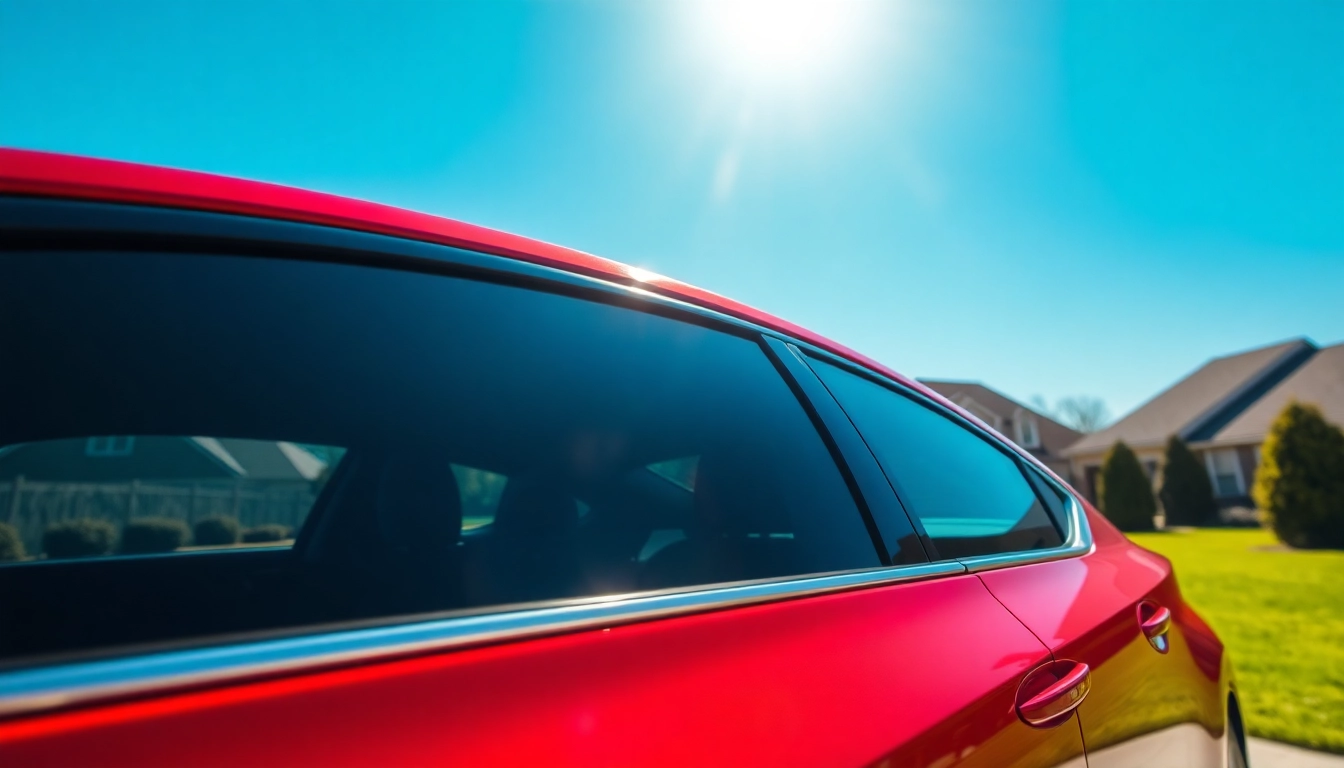
Another compelling reason to choose window tint is the added privacy it affords. Tinted windows deter prying eyes from looking inside your vehicle, which is particularly beneficial for those who keep valuables in their cars. Additionally, window tint enhances the overall aesthetic appeal of a vehicle. It creates a cohesive look, making the vehicle appear more polished and sophisticated. By selecting the right level of tint, vehicle owners can achieve a personal touch that reflects their style.
Choosing the Right Window Tint Near Me
Types of Window Tint Available
When exploring window tint options, it's essential to understand the different types available. The primary categories include dyed, metalized, carbon, and ceramic window tints. Dyed tints offer a traditional look but may fade over time. Metalized films provide better heat rejection and durability by reflecting sunlight but can interfere with electronic signals. Carbon tints are known for their matte finish and heat resistance, while ceramic tints provide the highest performance without signal interference and are ideal for those seeking quality and longevity.
Factors to Consider When Selecting Tint
Several factors come into play when selecting the right window tint for your vehicle. First, consider how much heat rejection you desire. A higher-quality film will usually block more heat. Next, evaluate the visual appearance you’re going for; some may prefer a darker tint for more privacy, while others might choose something lighter for visibility. Additionally, keep in mind the tint's warranty, as more reputable films typically come with extended warranties due to their durability.
Local Regulations and Restrictions
Before proceeding with your window tinting, it is crucial to research local regulations and restrictions. Tinted windows are subject to legal limits that vary by state and municipality. Some areas may impose specific guidelines regarding the darkness of the tint or which windows can be tinted. Failing to comply with these laws can result in fines or the need to remove the tint, so always verify the regulations applicable in your locality before making a decision.
Installation Process of Window Tint
Pre-Installation Preparation
Proper preparation is key to achieving a flawless window tint installation. Begin by cleaning the windows thoroughly to prevent dust and debris from trapping under the film. Ensuring that the glass is free of scratches or residues maximizes the film's adherence and longevity. Consider the environmental conditions on installation day; temperatures should be mild, as extreme heat or cold can hinder proper adhesion.
Step-by-Step Installation Guide
The installation of window tint can be completed as follows:
- Measure and Cut the Film: Accurately measure each window before cutting the tint film to size, allowing for some excess around the edges.
- Apply the Solution: Use a spray solution of soap and water to mist the window and the adhesive side of the tint film. This allows for repositioning as needed.
- Position the Film: Carefully apply the film to the window, starting from one side and working to the other, ensuring there are no air bubbles.
- Squeegee Out Air Bubbles: Use a squeegee to eliminate air bubbles and smooth the film down, working from the center to the edges.
- Trim Excess Film: Once the film is secure, trim any excess material after the initial curing period.
- Let It Cure: Allow the tint to cure for at least a few days without rolling down the windows or cleaning them.
Post-Installation Care Tips
After installing window tint, it’s important to take certain measures to ensure the film lasts. Avoid rolling down your windows for at least 48 hours to allow the film to cure properly. Furthermore, use non-abrasive cleaning agents and a soft cloth to clean tinted windows. This will help prevent scratches and degradation of the film. Regularly inspect the corners of the tint for peeling and address any issues promptly to maintain its appearance and effectiveness.
Maintaining Your Window Tint
Best Practices for Longevity
To extend the life of your window tint, adhere to best practices that enhance its durability. Regular cleaning, as previously mentioned, is crucial. Additionally, avoid parking in direct sunlight for prolonged periods, as this can hasten the deterioration of the tint. Throughout the seasons, monitor for changes in appearance or effectiveness and act swiftly to address any concerns.
Common Issues and Solutions
While window tint is generally low maintenance, issues can arise. Common problems include bubbling, peeling, and discoloration. Bubbling can often be resolved by gently pushing air out using a squeegee. Peeling edges can be corrected with a minor re-application of adhesive. If discoloration occurs, it generally indicates the tint is of lower quality; unfortunately, it may require complete replacement.
When to Seek Professional Help
If standard maintenance does not resolve issues, or if the problem appears to be widespread, it’s advisable to consult with a professional. Trained technicians can assess the tint’s condition more efficiently and determine if repairs or replacement is necessary, ensuring your vehicle remains both stylish and functional.
Frequently Asked Questions About Window Tint
How long does window tint last?
Typically, high-quality window tints can last anywhere from 5 to 15 years, depending on the film type and maintenance.
Can I apply window tint myself?
While DIY kits are available, professional installation is recommended for optimal results and to avoid issues like bubbling or peeling.
What is the cost of window tint?
Costs vary based on the vehicle and type of film used, generally ranging from $200 to $600 for professional installation.
Does window tint reduce glare?
Yes, quality window tint significantly reduces glare from sunlight, enhancing comfort and visibility while driving.
Is it legal to tint my windows?
The legality of window tint varies by region, so it’s critical to check local laws regarding permissible tint levels.