
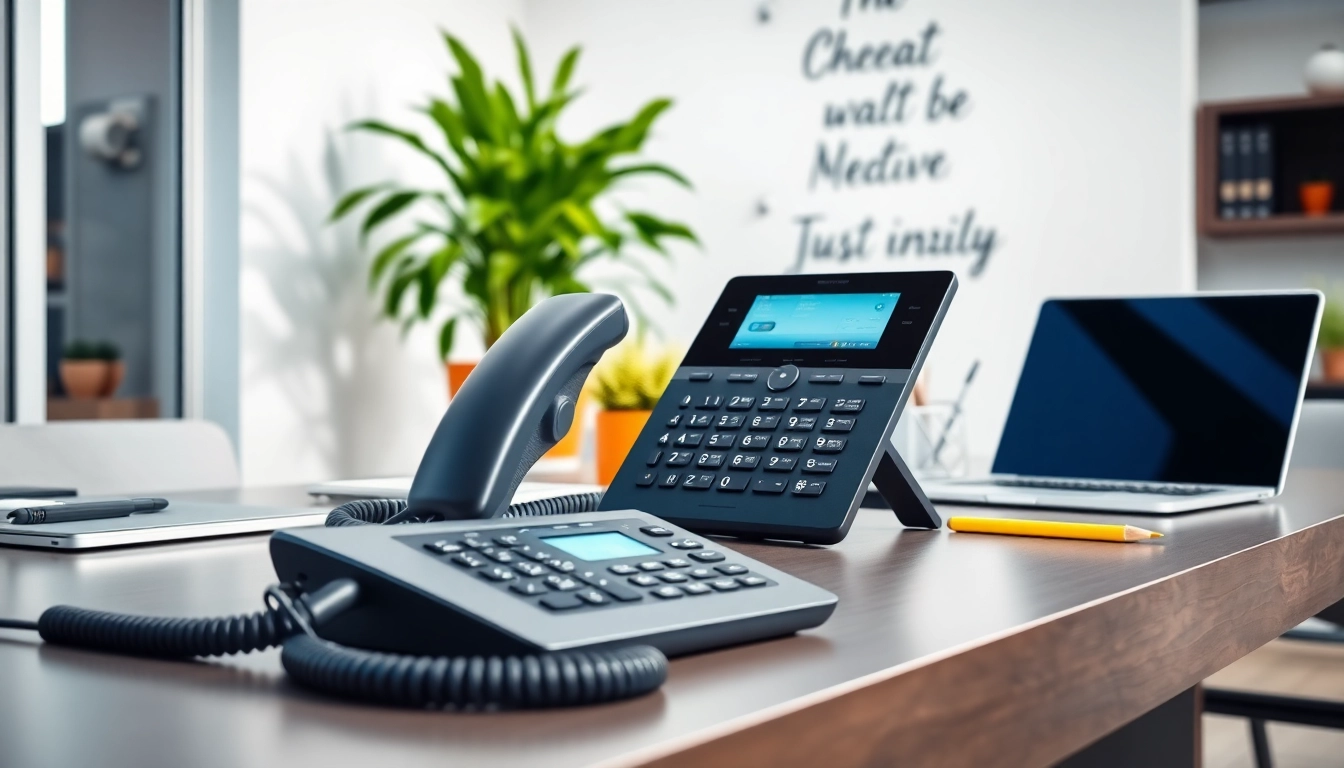
Understanding the Importance of a Reliable Business Phone
In today’s fast-paced work environment, effective communication is crucial to the success of any business. This is where a reliable business phone comes into play. It acts as the backbone of your communication system, ensuring seamless interactions with clients, suppliers, and among team members. Investing in a quality business phone can not only enhance productivity but also improve customer service, leading to better relationships and increased revenue.
Why Invest in a Quality Business Phone
A robust business phone system is more than just an efficient way to make calls. It supports various communication methods, including video conferencing, messaging, and collaboration tools. These functionalities are essential for businesses that operate on multiple channels. Furthermore, a high-quality phone system can provide better sound quality, reliability, and advanced features such as call routing, voicemail-to-email, and integration with CRM software.
Key Features to Look for in a Business Phone
When selecting a business phone system, consider the following critical features:
- VoIP Capabilities: Voice over Internet Protocol (VoIP) allows for efficient communication over the internet, reducing costs and enhancing flexibility.
- Multi-Channel Support: Look for systems that allow simultaneous communication through voice, video, and messaging.
- Integration: Ensure that your phone system can integrate with existing tools like email and CRM solutions.
- Scalability: Choose a system that can grow with your business, easily accommodating more lines or features when needed.
- Quality of Service (QoS): Good systems provide high-quality audio and minimal interruptions.
How Business Phone Systems Improve Communication
Modern business phone systems enhance communication by providing clarity and reliability. This leads to fewer misunderstandings, improved client interactions, and an overall rise in employee satisfaction. Features such as call analytics can help you assess communication quality and make informed decisions to improve service and operations.
Types of Business Phones Available
Choosing the right type of business phone is crucial to meeting your company’s communication needs. Here’s a closer look at various options available on the market today:
VoIP vs. Traditional Landlines: Which to Choose?
VoIP has become increasingly popular due to its cost-effectiveness and flexibility compared to traditional landlines. With VoIP, you can make calls over the internet, which reduces long-distance charges. Additionally, VoIP offers advanced features such as virtual numbers and instant messaging integration, making it a robust choice for modern businesses.
Mobile Business Phones: Benefits and Considerations
Mobile phones are essential for businesses with employees on the go. They offer flexibility and connectivity outside of traditional office environments. However, consider factors such as battery life, screen size, and security features when choosing mobile devices for your team. Additionally, having a separate business line is crucial for maintaining professionalism.
Multi-Line vs. Single-Line Business Phones
Multi-line phones are great for larger teams or businesses that require more than one line for different departments or functions. They support features such as call waiting and call transfer, making them ideal for managing multiple conversations. Single-line phones, on the other hand, suit smaller teams or individual entrepreneurs who do not need complex features.
Top Considerations When Selecting a Business Phone
Selecting the right business phone involves various considerations. Here are some essential factors to think about:
Assessing Your Company’s Communication Needs
Start by evaluating your company’s specific communication requirements. Consider how many employees will use the phone, the types of communication tools needed, and the volume of calls. Conduct surveys or discussions with team members to gather insights into their preferences and challenges with current systems.
Budgeting: Cost-Effective Business Phone Options
Setting a budget is critical when selecting a business phone system. Compare different systems’ costs and what additional features may incur further expenses. Consider both upfront and recurring costs, like monthly subscriptions for VoIP services, to find the best fit for your business without compromising on essential functionalities.
Advanced Features: What Adds Value?
Look for advanced features that can add real value to your communication strategy. Features like auto-attendants, advanced reporting, integrated video conferencing, and team messaging can enhance productivity and customer satisfaction.
Setting Up Your Business Phone System
Installing a new business phone system can feel daunting, but following organized steps ensures a smooth setup:
Installation Tips for VoIP Business Phones
When setting up VoIP phones, ensure you have a reliable internet connection. Follow the manufacturer’s guidelines for installing hardware and software, and conduct a test run to confirm that everything is functioning correctly before full deployment.
Integrating Business Phones with Other Tools
Integration of your business phone with other tools is vital for maximizing efficiency. Make sure your phone system connects seamlessly with communication tools, CRM software, and project management systems. This integration streamlines workflows and enhances collaboration among teams.
Testing Your Business Phone System for Efficiency
Conduct thorough testing once the system is installed. Check call quality, connectivity, and all features to ensure they perform as expected. Regular testing can help quickly identify issues and optimize your system for better performance.
Maintaining and Upgrading Your Business Phone
Regular maintenance of your business phone system is crucial to ensure longevity and effectiveness:
Regular Maintenance Tips to Ensure Longevity
To maintain your business phone system, regularly update your software, perform routine maintenance checks, and clarify any unclear instructions or features with your providers. Addressing issues as they arise can prevent more significant problems down the road.
When to Upgrade Your Business Phone System
Consider upgrading your system if you notice increased downtime, outdated technology, or if your communication needs have evolved significantly. New systems often come with improved features that can boost productivity and enhance client interactions.
Evaluating New Features and Technology Trends
Stay informed about emerging trends in business communication technology. Regularly evaluate new features such as artificial intelligence integration and enhanced data analytics to ensure your phone system remains competitive and effective.
Frequently Asked Questions
1. What is the cheapest way to get a business phone?
The most cost-effective option is often using VoIP services, which utilize the internet for calls, eliminating traditional phone line fees.
2. What features should I prioritize in a business phone?
Focus on features like VoIP capability, call routing, voicemail, integration with other tools, and reliable customer support for your chosen system.
3. How many phone lines will my business need?
Evaluate your team’s size and call volume to determine the number of lines necessary. This ensures your team can handle customer communication effectively without delays.
4. How can I improve call quality on my business phone?
To enhance call quality, ensure a stable internet connection, use high-quality headsets, and consider hardware upgrades if needed.
5. When should I consider upgrading my business phone system?
Upgrade if you experience frequent issues, need advanced features, or find that newer technology could significantly benefit your workflow.
Contact Information
Customer Service Email: [email protected]
Mobile Sales Email: [email protected]
Support Email: [email protected]
Call us: 0333 015 2615
Head Office: Fareham Innovation Centre, Merlin House, 4 Meteor Way, Fareham, Lee-on-the-Solent, PO13 9FU.
London Address: 124 City Road, London, EC1V 2NX
Manchester Address: Bartle House, Oxford Court, Manchester, M2 3WQ