
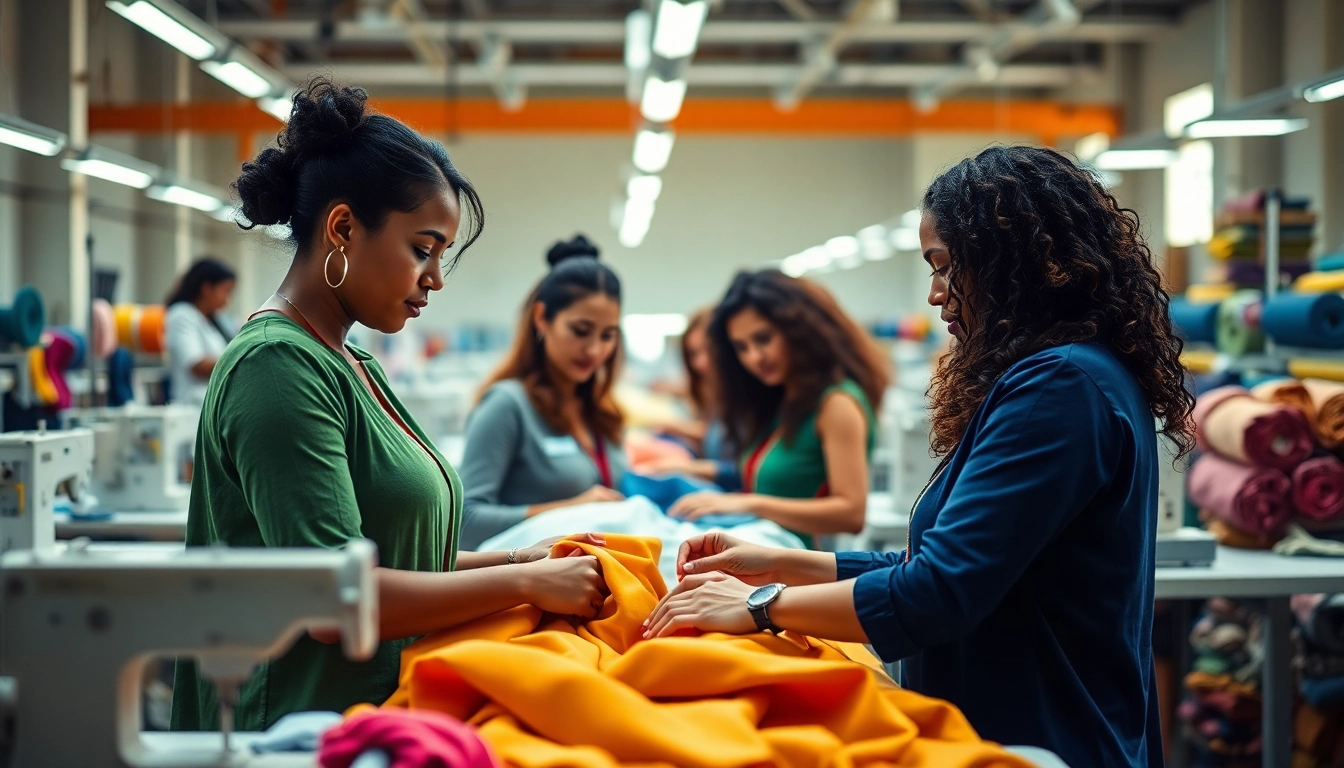
The Role of Women’s Clothing Manufacturer in Today’s Market
In the fast-evolving landscape of fashion, the role of a Women’s Clothing Manufacturer is pivotal. As consumer demands shift and trends emerge at an unprecedented pace, manufacturers must adapt to maintain relevance and meet market expectations. The intersection of technology, sustainability, and creative design fosters an environment ripe for innovative manufacturing processes, driving the industry forward.
Understanding the Manufacturing Process
The manufacturing process for women’s clothing encompasses a series of complex steps, starting from the conception of an idea to the final product being available for consumers. Initially, designers create sketches and prototypes. Once approved, these designs undergo textile selection, pattern making, and sample production. Each phase requires precision and collaboration among various stakeholders, including designers, technicians, and quality inspectors.
Furthermore, the manufacturing process can be segmented into multiple stages: planning, sourcing materials, production, quality control, and distribution. During the planning stage, manufacturers assess consumer needs, market trends, and potential sales forecasts. Selecting appropriate materials not only affects the feel and durability of clothing but also influences production costs and sustainability. Quality control at every stage ensures the end product meets established standards and customer expectations.
Benefits of Partnering with a Women’s Clothing Manufacturer
Partnering with a dedicated women’s clothing manufacturer offers numerous advantages for brands. First and foremost, collaboration with an experienced manufacturer provides access to advanced technology and industry expertise. This partnership can significantly reduce the time it takes to bring a product from concept to market.
Additionally, manufacturers prioritize scalability, allowing brands to increase production volume seamlessly. This flexibility caters to varying demand levels, especially in a market where size runs play a crucial role in consumer satisfaction. Moreover, established manufacturers often provide valuable insights into market trends and consumer preferences, enabling brands to make informed decisions regarding design and marketing strategies.
Consumer Trends Impacting Women’s Fashion
Today’s consumers are more aware and conscientious about their purchasing choices than ever before. Trends such as sustainable fashion, ethical manufacturing, and body positivity have gained considerable traction. As a result, brands and manufacturers must align their practices with these values to appeal to a growing demographic of socially responsible consumers.
Furthermore, personalization is a defining trait of modern consumer expectations. Customers increasingly seek unique, custom-designed items that resonate with their personal style. Women’s clothing manufacturers can leverage this trend by introducing more diverse sizing, styles, and customization options, enabling them to cater to a wider audience.
Choosing the Right Women’s Clothing Manufacturer
Key Factors to Evaluate
Choosing the appropriate women’s clothing manufacturer is paramount to ensuring product success. Brands should consider several key factors, including the manufacturer’s experience, reputation, production capabilities, and lead times. Established manufacturers often have a track record of successful collaborations, ensuring product reliability.
Another important consideration is communication. An effective partnership hinges on clear and consistent communication, enabling both parties to address challenges and capitalize on opportunities. Brands should also evaluate the manufacturer’s technological capabilities, which can significantly influence product quality and production efficiency.
Sustainability and Ethical Practices
With sustainability becoming a significant concern for consumers and regulators, brands must scrutinize their manufacturers’ commitment to ethical practices. Evaluating environmental impact, labor conditions, and waste management processes can aid in selecting a manufacturer aligned with a brand’s sustainability objectives. Manufacturers promising eco-friendly practices, such as utilizing organic materials and reducing water usage, can enhance a brand’s image and appeal to eco-conscious consumers.
Quality Assurance Measures
Quality assurance is a critical factor in the manufacturing process. A reputable women’s clothing manufacturer implements rigorous quality control measures at every production stage. From raw material sourcing to final inspections, maintaining consistent quality is vital to satisfying consumer expectations and reducing returns.
Brands should inquire about the manufacturer’s quality assurance protocols, including certification processes and compliance with industry standards. Investing in manufacturers with established quality control practices can foster long-term brand loyalty and customer satisfaction.
Innovative Design and Production Techniques
Utilizing Technology in Fashion Manufacturing
Modern technology continues to reshape the fashion manufacturing landscape. From 3D printing to advanced textile technology, innovation is at the forefront of product design and production. By incorporating technologies like computer-aided design (CAD), manufacturers can streamline design processes and reduce error rates, allowing for quicker prototyping and iterations.
Additionally, automation in the manufacturing process enhances efficiency and precision, often resulting in lower production costs and faster turnaround times. Wearable technology is also opening new avenues for design, where innovative textiles can enhance the functionality of women’s clothing.
Creative Collaboration with Designers
Collaboration between manufacturers and designers is crucial in fostering creativity and innovation. By nurturing an environment of open communication and shared vision, manufacturers can provide valuable insights that inform design decisions. Creative collaboration can also lead to unique product offerings that differentiate a brand in a crowded marketplace.
Moreover, involving manufacturers early in the design process allows for practicality to be considered within creative concepts. Understanding manufacturing constraints and capabilities at early stages enables designers to create fashion pieces that are both aspirational and market-ready.
Implementing Feedback Loops for Improvement
In order to maintain relevancy and adapt to changing consumer preferences, manufacturers should establish feedback loops with their partners. Regularly collecting feedback from retail partners, consumers, and sales data can help manufacturers understand market dynamics and identify areas for improvement.
Addressing consumer feedback proactively fosters brand loyalty and satisfaction while enabling manufacturers to tweak designs, quality, or production techniques for optimal results. Implementing continuous improvement initiatives can lead to enhanced efficiency and a stronger market position.
Marketing Strategies for Women’s Clothing Lines
Importance of Brand Storytelling
Brand storytelling has emerged as a key strategy in marketing women’s clothing. Sharing compelling narratives that resonate with consumers can foster emotional connections and enhance brand loyalty. A captivating story not only highlights the inspiration behind designs but also emphasizes values such as empowerment, diversity, and sustainability.
Effective storytelling can manifest across various marketing mediums, including social media, website content, and even packaging. Engaging narratives create relevance and help brands stand out in a saturated market, reinforcing consumer ties to the brand.
Leveraging Social Media for Engagement
Social media has revolutionized how clothing brands interact with their audiences. Platforms like Instagram, TikTok, and Pinterest enable brands to showcase products creatively while driving consumer engagement. Brands can utilize user-generated content, influencer partnerships, and interactive posts to foster strong community ties with their audience.
Moreover, the analytics tools available on social media platforms allow brands to track consumer behavior and preferences, enabling data-driven marketing strategies. This real-time feedback loop is invaluable for adjusting campaigns to align with consumer interests.
Effective Online Sales Strategies
In the digital age, establishing a robust online presence is crucial for women’s clothing brands. E-commerce platforms must be user-friendly and showcase products effectively. High-quality imagery, detailed product descriptions, and easy navigation are instrumental in creating a seamless shopping experience.
Additionally, brands should implement effective SEO strategies to enhance visibility and attract potential customers. Leveraging email marketing to promote new arrivals and exclusive offers can foster repeat purchases while nurturing a loyal customer base.
Future Trends in Women’s Clothing Manufacturing
Adapting to Fast Fashion Demands
As consumer expectations around speed and accessibility continue to evolve, women’s clothing manufacturers must adapt to the fast fashion ecosystem. This trend necessitates shorter production cycles and rapid design-to-market timelines, placing further emphasis on efficiency and responsiveness within the manufacturing process.
Adopting agile production models, where manufacturers can respond swiftly to changing trends or consumer demands, is key to remaining competitive. This not only enhances brand agility but also aligns closely with modern consumer expectations for quick access to the latest styles.
Embracing Eco-friendly Innovations
The call for sustainability in fashion is only growing louder. In response, women’s clothing manufacturers must embrace eco-friendly innovations, adopting sustainable materials and practices. Recycling initiatives, biodegradable fabrics, and reduced resource consumption are becoming increasingly vital components of a responsible manufacturing strategy.
Emerging technologies, such as waterless dyeing and digital printing, offer innovative ways to minimize environmental impact, providing a competitive edge while catering to environmentally conscious consumers.
Potential for Growth in Global Markets
Women’s clothing manufacturers are presented with significant opportunities for growth in emerging global markets. As access to internet technology and e-commerce expands, fashion brands have expanded into new regions, catering to a diverse audience with unique tastes and preferences.
Understanding regional trends and cultural nuances that influence fashion choices is essential for brands to successfully penetrate these markets. Manufacturers must prioritize adaptability and cultural sensitivity to develop products that resonate with local consumers while maintaining brand identity.
Frequently Asked Questions
What should I look for in a women’s clothing manufacturer?
When choosing a women’s clothing manufacturer, evaluate their experience, production capabilities, quality assurance, and adherence to sustainable practices. Effective communication is also key to a successful partnership.
How can I ensure product quality in manufacturing?
To ensure product quality, inquire about the manufacturer’s quality control processes. Conduct regular inspections and maintain open dialogues regarding any issues or improvements during production.
What role does technology play in fashion manufacturing?
Technology aids in improving efficiency through automation, streamlining design processes with CAD, and enhancing product functionality through innovative textile development, optimizing the overall manufacturing process.
How to market a women’s clothing line effectively?
Effective marketing can be achieved through compelling brand storytelling, leveraging social media engagement, and optimizing e-commerce platforms to create an exceptional online shopping experience.
What are the key trends shaping women’s fashion manufacturing?
Key trends include the shift towards sustainability, the demand for personalized styles, and the adaptation to fast fashion cycles. Manufacturers must remain agile to these evolving market dynamics.